How many business books did you read last year? How many "must-listen" podcasts are currently paused at the 14-minute mark in your queue?
Now, how many fiction books did you actually finish?
...Crickets? That's what we thought.
Here's the thing nobody tells you while you're highlighting "synergy" for the third time in a leadership tome: some of the best fiction books for leaders aren't labeled that way. They're stories about pirates, post-apocalyptic librarians, and characters who just really need to get their life together in a small town. And somehow, those are the ones that stick.
That's because the problems you're facing — conflict, trust, decision fatigue, people being people — aren't business problems. They're human ones. And fiction puts you inside the human experience in a way that no framework, no matter how good the cover design, ever really can.
So no, this isn't about escaping reality. It's about getting better at navigating it — with more empathy, more creativity, and a lot more depth than your next leadership podcast can offer.
One novel a year. That's all it takes. Here's why it works, and which ones to start with.
Why reading fiction books make you a better leader
Business content is great. We all love a sharp framework and a solid growth hack. But if your entire learning diet is tactical and transactional, you're feeding the machine, not the mind behind it. And reading fiction? That’s how you fix that.
Fiction does something different. It doesn’t just show you how to optimize a process or structure a pitch, it doesn't have you honed in on managing your freelancers, and it doesn’t have you pulling hairs figuring out how to make sure you don’t lose clients.
Instead, it reconnects you to why you care in the first place.
When you understand people, nuance, and motivation, you lead better. That’s how fiction improves leadership — not with bullet points, but with emotional clarity.
And when you’re leading a team, running a business, and setting the tone for an entire company, that clarity matters more than ever.
And yes, there’s real science to back it up.
A 2013 study in Science found that reading literary fiction boosts emotional intelligence, empathy, and theory of mind (aka your ability to understand what others are thinking and feeling — without needing a Slack emoji to clue you in).
The University of Sussex found that reading can reduce stress levels by up to 68% — faster than listening to music, sipping tea, or even going for a walk can. (Faster than tea, people. That’s a British-certified wellness metric.)
Reading fiction improves your memory and attention by asking you to track characters, plots, and details over time
So if you're looking for smarter, healthier, human-centered ways to grow as an entrepreneur — fiction’s got your back.
Just here for the recommendations? Skip ahead to the list:
Get the latest from our blog every month
3 ways reading fiction makes you a sharper leader
So glad you asked. If you’re in the business of selling ideas, managing large teams, building relationships, or making strategic calls with a straight face, then reading fiction is one of the most surprisingly effective ways to sharpen the tools those responsibilities need.
If you’re looking for smart, human-centered ways to grow as an entrepreneur and business owner, this is it.
Reading fiction builds perspective, strengthens focus, and reignites creativity. It helps you think bigger, listen better, and make decisions that feel better and not just look good on a slide.
Even at Copper, where we’re all about simplifying how teams manage clients and projects, we know that the best solutions don’t always come from staring harder at a screen. Sometimes, you need a story to shake your thinking loose.
It gives you a fresh perspective
Reading fiction is empathy training, with better dialogue and fewer slides.
It doesn’t just tell you how someone else thinks, it puts you there. Inside each character’s decisions, doubts, daydreams, and very questionable life choices. Not in a surface-level “this persona’s name is Carla and she likes oat milk” kind of way. In a full-sensory, emotional, walk-in-their-shoes-for-300-pages kind of way.
And it works.
One study looked at over 30,000 participants and found that reading fiction correlates with stronger verbal ability, abstract thinking, empathy, and emotional intelligence.
And that emotional literacy? That’s how fiction improves leadership in the real world, by helping you read the room before you need to.
And fiction didn’t just hold its own, it outperformed nonfiction.
So if you want to stop misreading your team’s tone in Slack? Maybe pick up a novel before your next 1:1.
It helps you focus
Fiction won’t let you multitask your way through it.
There’s no skim-reading your way to the good part. No callout boxes or bolded takeaways. Fiction asks for your attention — and rewards you for giving it.
That’s a rare thing in a world of inbox pings, calendar collisions, and Slack threads titled “Quick Q (won’t take long).”
In fact, one neuroimaging study found that when people read fiction (especially scenes with rich social content) it lights up areas of the brain you use to lead, relate, and make sense of complex human behavior.
Fiction helps you get that focus back. It trains your brain to stay with a story, follow the thread, and tune out the noise. Which, honestly, is excellent practice for managing your inbox — or your next stakeholder presentation.
It expands your creativity
Story arcs, character development, pacing, subtext: these aren’t just literary devices. They’re creative frameworks in disguise. If you’ve ever built a campaign, pitched an idea, or tried to make a content calendar feel like an actual experience, you’ve used narrative. Fiction just teaches you how to do it better.
And that’s not fluff. Research found that reading fiction reduces the need for cognitive closure, keeping minds open and enhancing creativity by preventing premature conclusions.
At Copper, we see this firsthand. The best ideas don’t come when people are grinding through admin hell. They come after a walk, a nap, a novel—anything that pulls the brain out of hustle mode and into imagination.
So yes, if you’ve hit a wall in your project or your pitch feels a little flat, try reading a beautifully written chapter instead of refreshing the brief again. Your next big idea might be hiding between the lines. Or who knows, maybe it’ll spark some content ideas like a carousel post, a viral video hook, or even a meme that actually lands.
“But I just don’t have time…”
You do.
You have time for “finding the email you need in your inbox” tag. You have time for “quick calls” that go 28 minutes over. You have time to refresh LinkedIn while avoiding that one Google doc you know you should open.
So yes, you have time to read a novel.
(But also, why not automate all those things and streamline it so you can take sometime back?)
Reading fiction isn’t a time suck. It’s a time shift. You’re not wasting hours, you’re investing them in thinking better, feeling more, and leading with a little more depth than a LinkedIn carousel.
One novel. Once a year. It’s not a book club. It’s basic maintenance for your brain.
And if you’re serious about leveling up, this might be the easiest, most enjoyable way to grow as an entrepreneur you’ll find.
Look, you spend all day navigating opinions, solving problems, translating vague client requests like “make it pop” into action plans. Reading a novel lets you unplug without checking out.
It’s restful and rich. Entertaining and energizing. It’s a space where there are no deliverables, no KPIs, and no Slack pings. Just a story.
And sometimes, that’s where the best ideas sneak in. Not when you’re forcing it. But when you’re letting yourself feel something different.
That’s why you need to read fiction. Because it gives your mind room to move.
9 of the best fiction books for business leaders
We’re not sending you to the land of having to analyze that one Shakespearean tragedy you barely survived in high school. No 900-pages on dragons (unless that’s your vibe).
Just nine brilliant reads that hit you in the heart, challenge your brain, and sneak a little wisdom into your leadership style.
For creative thinkers and founders

Tomorrow, and Tomorrow, and Tomorrow by Gabrielle Zevin
A moving and sharply written story about two game developers navigating collaboration, obsession, burnout, and the blurred line between creative passion and personal boundaries. It feels uncannily like agency life (just with more pixel art and fewer client emails).
For decision fatigue and “what if” spirals
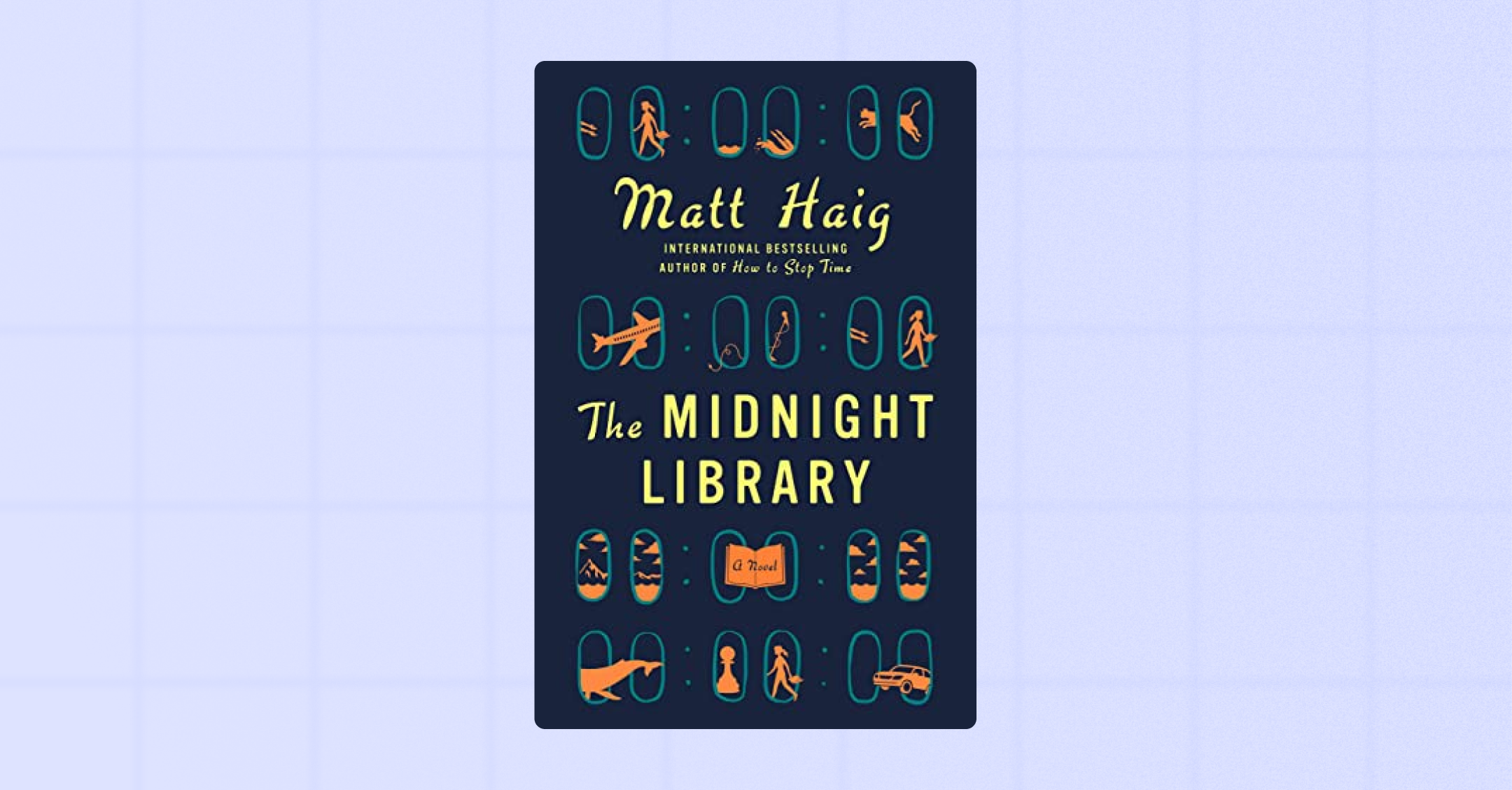
The Midnight Library by Matt Haig
What if you could try every version of your life? This novel dives deep into regret, choice, and the pressure to get things “right,” while somehow managing to feel like a cozy existential blanket. Think fiction meets therapy, but with shorter chapters and fewer awkward silences.
For anyone who’s had to rewrite the rules
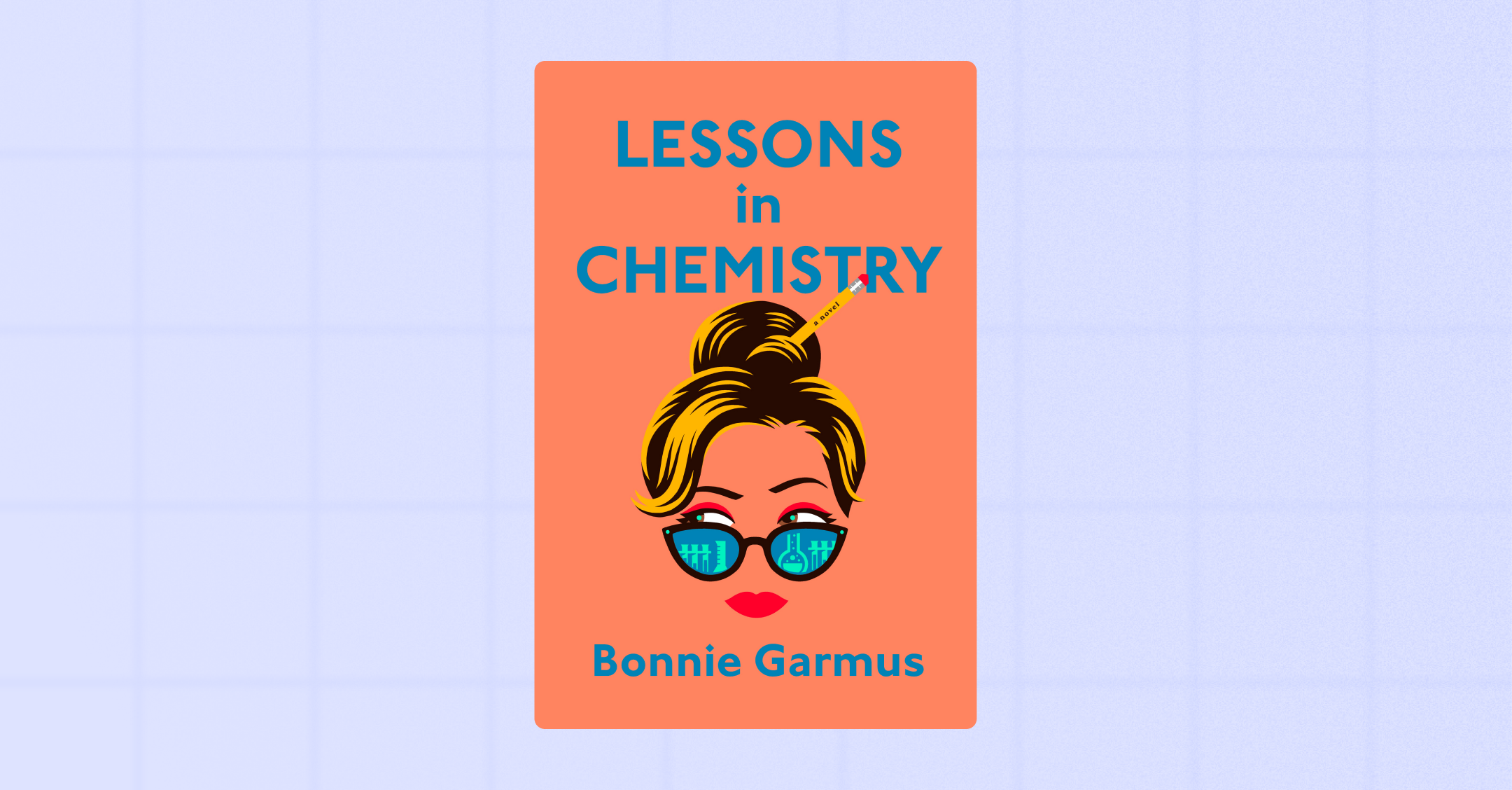
Lessons in Chemistry by Bonnie Garmus
This one’s smart, funny, feminist, and full of righteous rage. It follows a brilliant chemist who’s constantly underestimated by the 1960s patriarchy—and decides to fight back on her own terms. If you’ve ever had to challenge the system just to do your job, this will hit home.
For perspective beyond your bubble

Homegoing by Yaa Gyasi
Spanning continents and generations, this novel traces two half-sisters and their descendants through slavery, war, migration, and identity. It’s powerful, devastating, and rich with the kind of historical context that reshapes how you think about legacy, privilege, and systemic impact.
For something weird and wonderful

Piranesi by Susanna Clarke
Equal parts mysterious and meditative, this one drops you into a strange, surreal world where logic unravels and wonder takes over. You won’t totally understand what’s happening at first… and that’s kind of the point. A perfect pick if your brain needs to stretch in new directions.
For the solo leader solving impossible problems
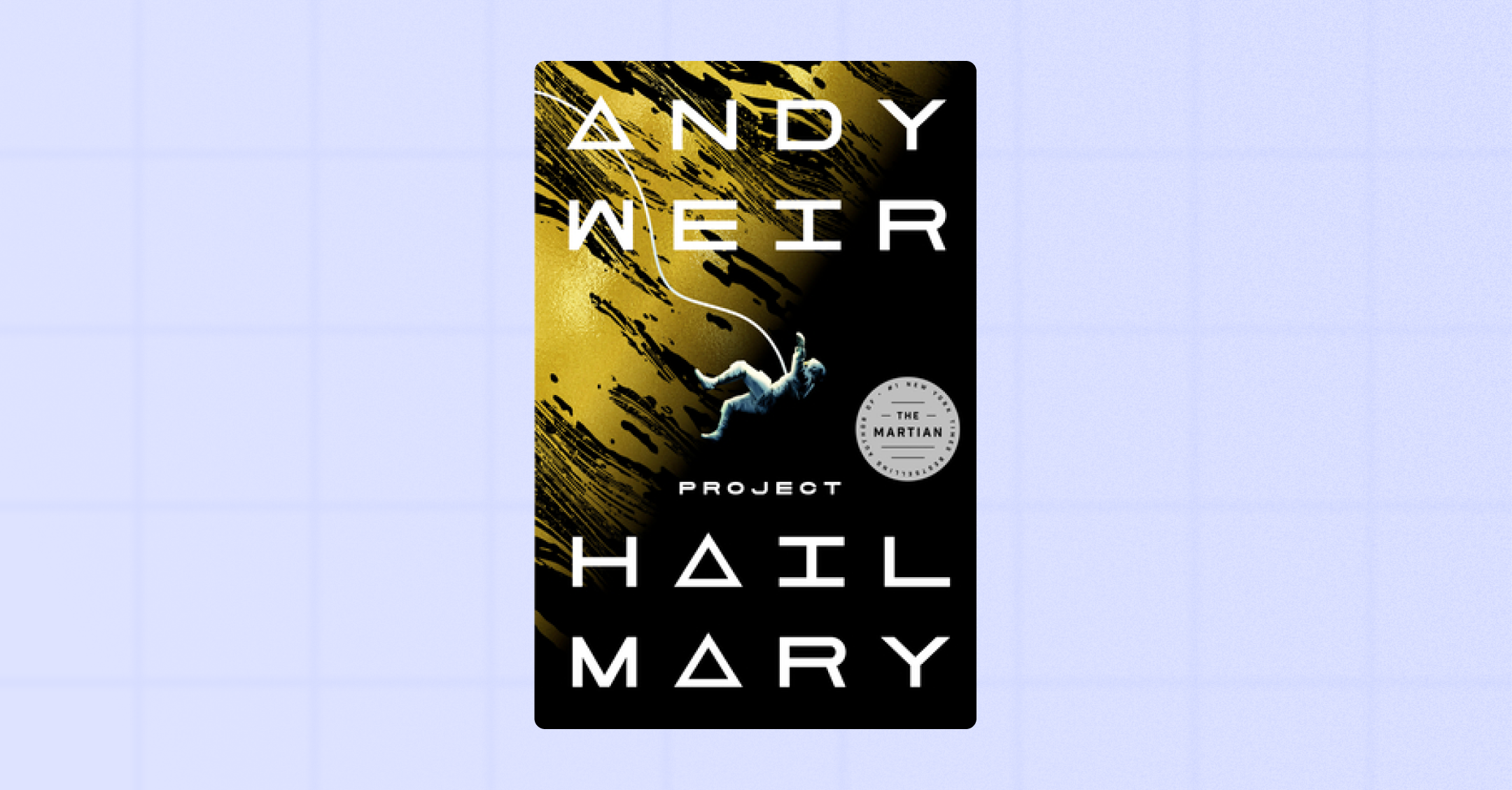
Project Hail Mary by Andy Weir
An astronaut wakes up alone in space with no memory, two dead crewmates, and one shot at saving Earth. It’s part sci-fi thriller, part survival story, and a masterclass in resilience, resourcefulness, and making big decisions with zero margin for error. Perfect for leaders who know what it’s like to build the plan while flying the ship.
For quiet lessons in presence and letting go
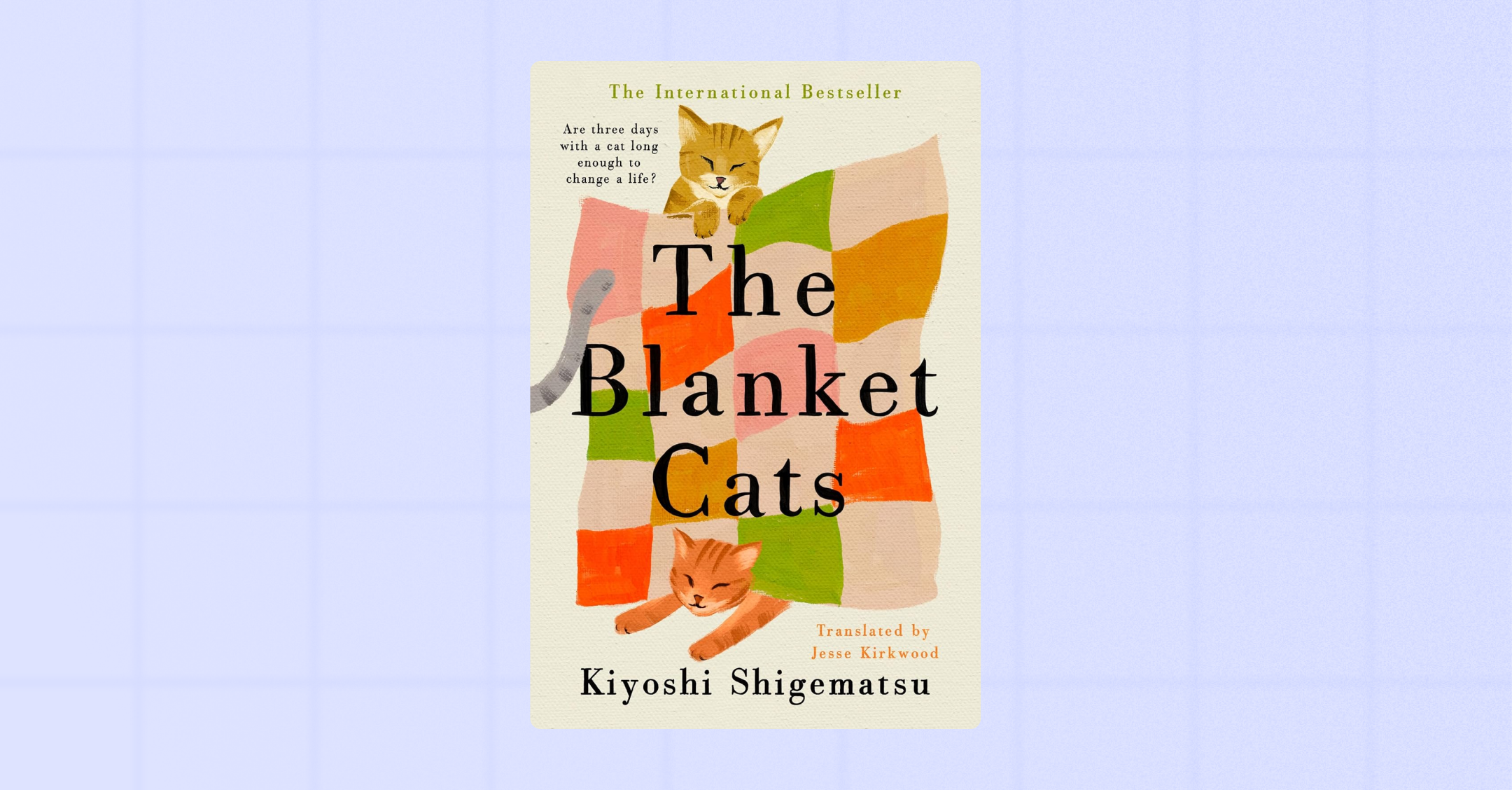
The Blanket Cats by Kiyoshi Shigematsu
Seven people borrow seven mysterious cats, each for just three days. What follows is a series of subtle, moving stories about connection, uncertainty, and the kind of impact you can have without staying forever. A reminder that great leadership isn’t always about control: it’s about showing up, even briefly, with intention.
For a reminder that stories still matter
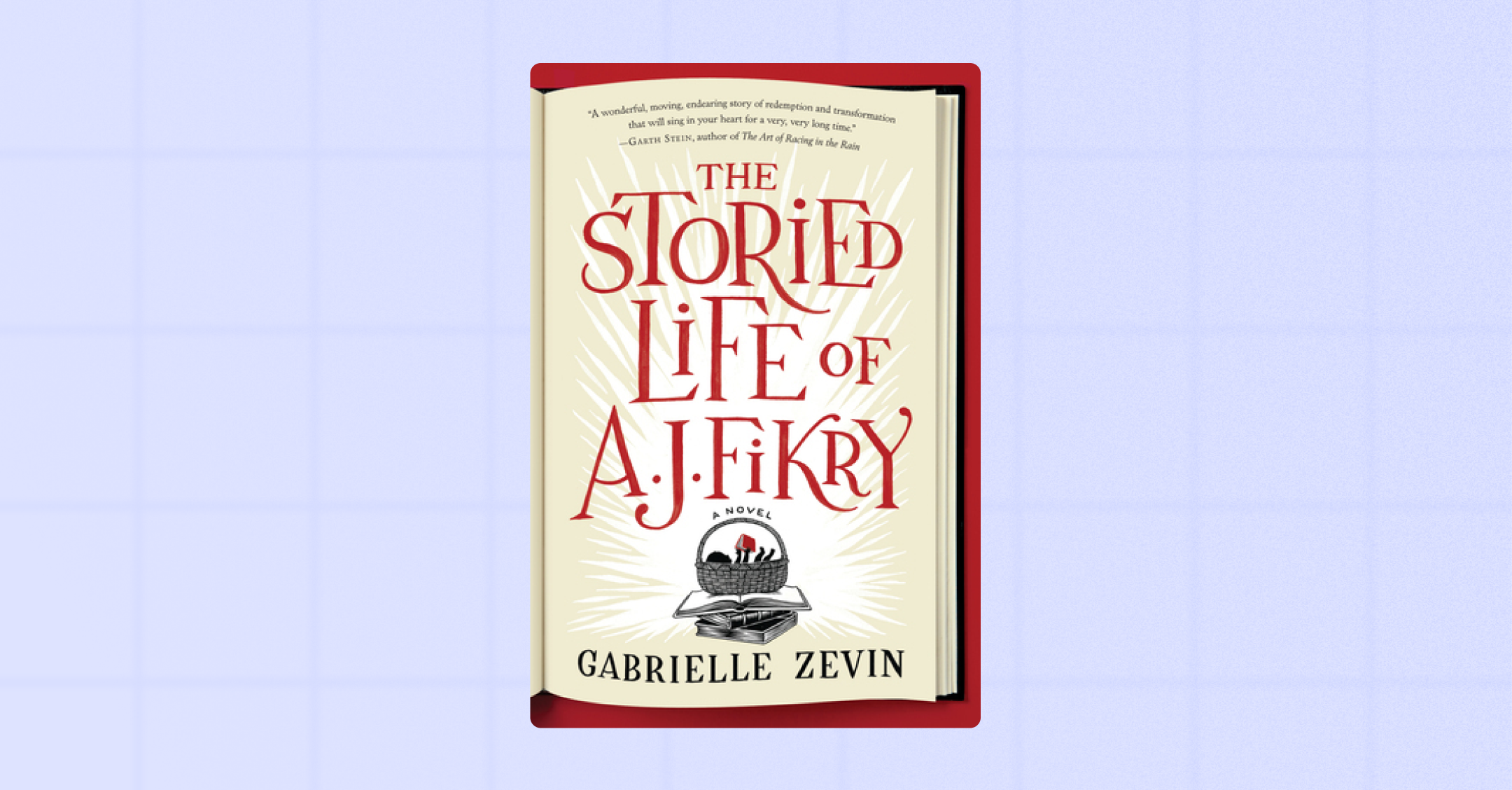
The Storied Life of A.J. Fikry by Gabrielle Zevin
This one’s about a grumpy bookstore owner, a lost manuscript, and a quiet transformation told through books, grief, and second chances. It’s a soft landing for anyone who needs to remember why stories (and people) are worth the effort.
For the quietly burnt-out leader who keeps it all together
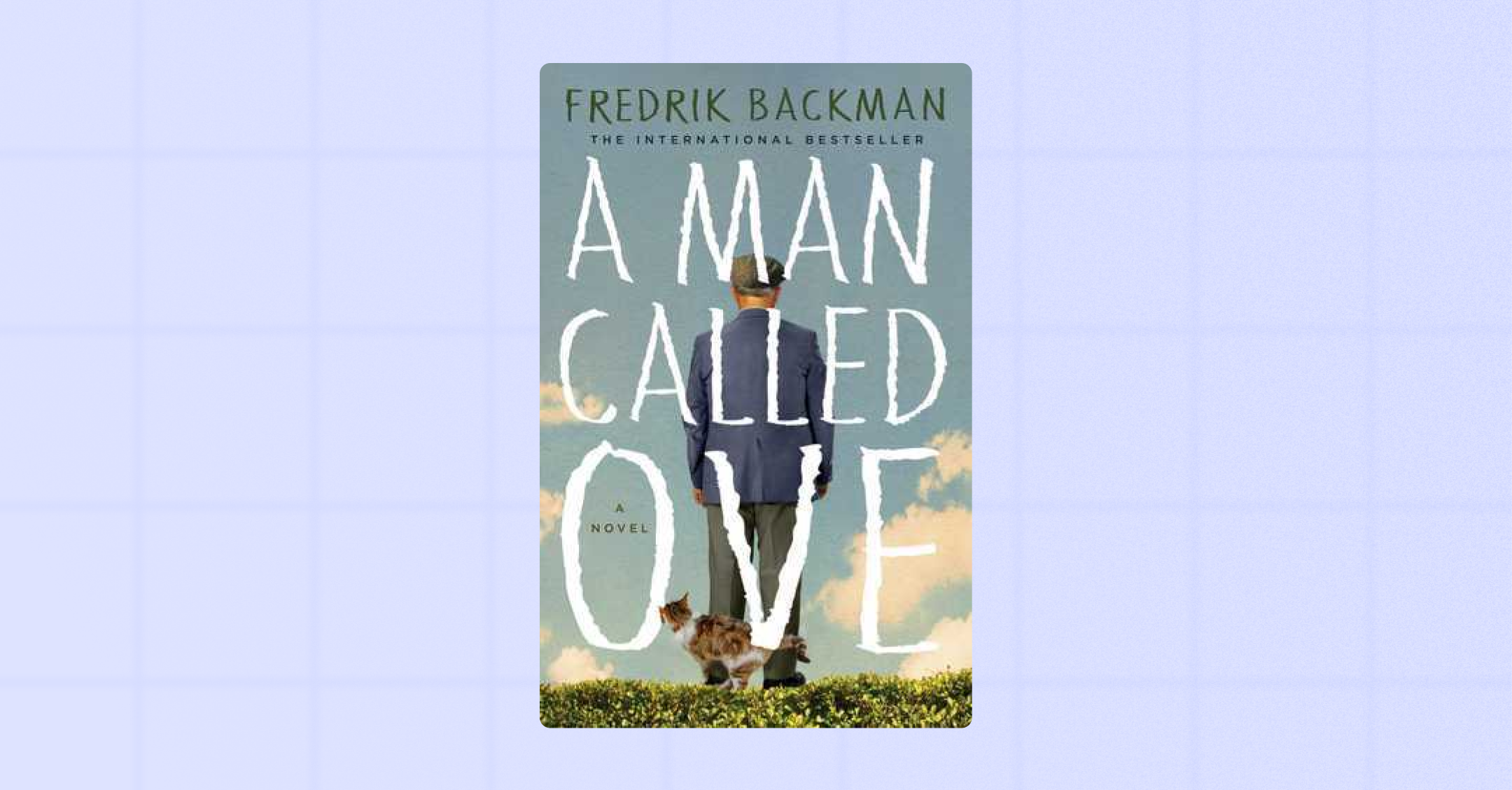
A Man Called Ove by Fredrik Backman
What begins as a story about a grumpy man with a strict routine turns into a moving tale of connection, quiet leadership, and the power of simply showing up. It’s a solid reminder that being steady and dependable counts more than you think.
How to choose a fiction book for leaders when there are too many options
Stop overthinking it. Here's how to actually pick one.
- Ask a friend or mentor what they loved recently — not what they'd recommend for you: The books people read for themselves, not the ones they think you should read, are always the better tip. Ask what they couldn't put down, not what they think would be good for your leadership development.
- Go back to a book you loved before work took over your brain: Think about the last fiction book you genuinely couldn't put down. What was it about? Dark and twisty? Quietly emotional? Weird and funny? That's still your taste — start there and find something similar.
- Pick the one with the most dog-eared copies at your local library: Worn-out spines and beat-up covers don't lie. If a book has been read by that many people, there's something in it worth finding.
- Read the first page of three books and go with the one that made you want to read that second: That's it. That's the whole strategy. Your gut knows faster than any recommendation algorithm.
If all else fails, just start with the shortest one on the list. Momentum matters more than the perfect choice. A book you actually finish will always beat the ideal book sitting on your nightstand.
TL;DR read that fiction novel that’s been on your TBR list
Reading fiction books for leaders won’t make your quarterly goals magically resolve themselves. But it might make you sharper, calmer, and more equipped to handle whatever each quarter throws at you.
You spend all year reading for performance. Try reading for perspective. For empathy. For wonder. Because how fiction improves leadership isn’t theory, it’s something you feel the moment it shifts how you show up.
So read one novel. Once a year. That’s it. Not because you have to — but because, honestly, you deserve it.
And if you happen to get a killer client insight or leadership breakthrough somewhere between chapters? Call it a plot twist.